
news
Today's Headline: Women's Health Funding Decision Pending
Women's health funding decisions are happening continuously across UK and US — incremental increases, specific allocations, policy frameworks. Today&
A news aggregator and editorial website covering issues important to women: reproductive rights, gender equality, women’s health in a political context, and representation in business and politics. The tone is informative, without activism, but with a clear female perspective. It differs from tabloids in its depth and context, and from academic publications in its accessibility.
Women's health funding decisions are happening continuously across UK and US — incremental increases, specific allocations, policy frameworks. Today&

Career sabbaticals — typically 3-12 months unpaid leave for specific purpose (travel, study, family, recovery) — are increasing among UK women in

Cremation rates in UK are rising — 80%+ of deaths now cremated. Among women specifically, cremation is increasingly preferred choice in
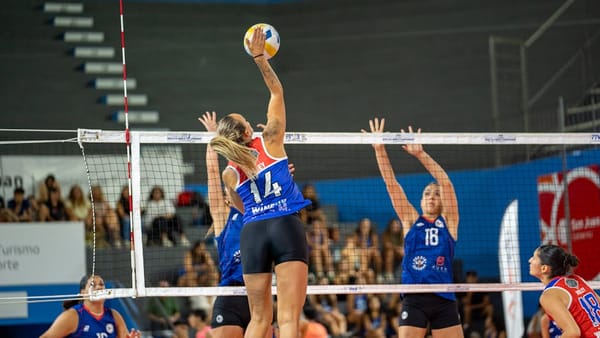
Women's sport coverage in mainstream media expanded substantially in 2024-2025 — not only the big sports (football, tennis) but

Female cardiologists are in highest demand among female patients after multiple studies showed female heart attack symptoms are missed by

Adult female friendship is hard to maintain at depth in busy lives. Coffee or lunch groups — 4-6 women meeting monthly

Workplace bullying — passive-aggressive emails, exclusion from key meetings, credit-stealing, persistent undermining — affects women more than men according to surveys, and
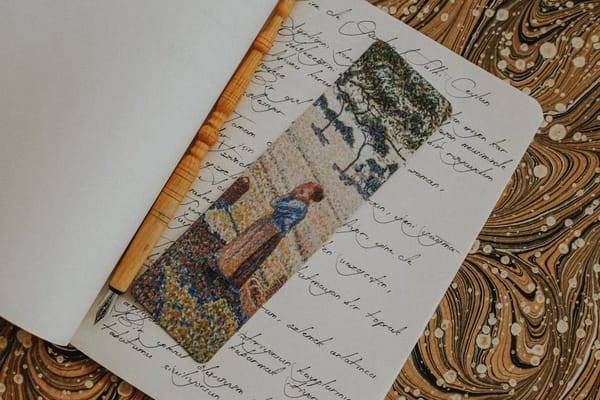
Female-authored memoir — particularly memoir about non-traditional life paths, struggle, recovery, divorce, mental health — is among the fastest-growing publishing categories. The
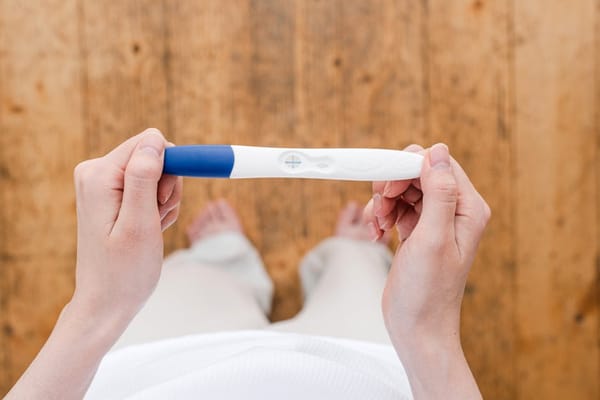
Egg freezing awareness shifted significantly in 2024-2025. Where women previously considered it in mid-to-late 30s (when fertility is already declining)

Multiple peer-reviewed studies show women's pain is routinely undertreated compared to men's identical conditions. Female patients

Women in their 50s — typically with children grown, peak earning years, often inheritance from parents — are entering investing in unprecedented

Estate planning (wills, lasting power of attorney, life insurance, beneficiary documentation) among UK women has increased dramatically in 2020s. Reflects