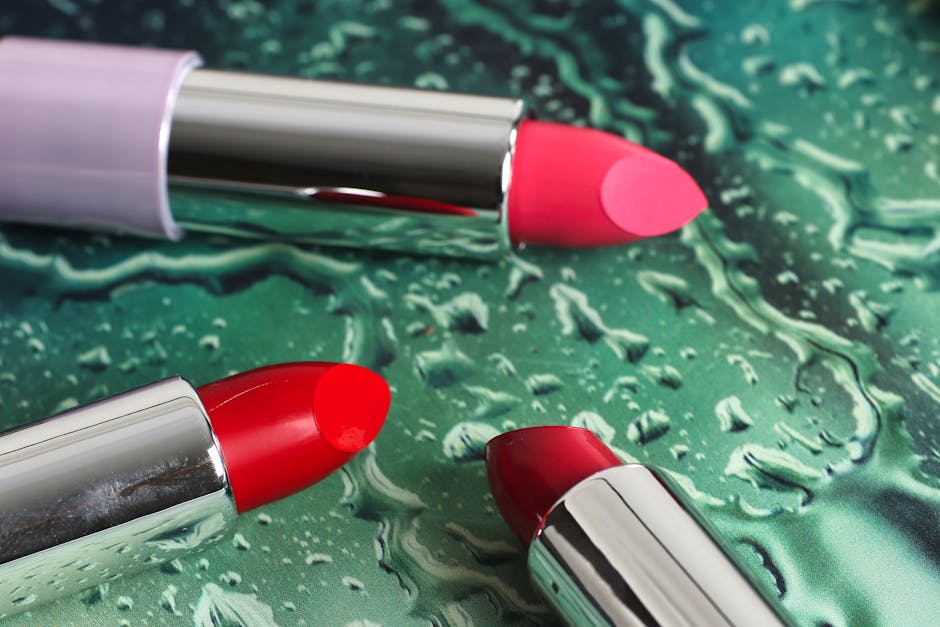
The 'lipstick index' — observation that lipstick sales rise during recessions — was coined by Leonard Lauder (Estée Lauder) in 2001. It's been validated across multiple downturns since: women maintain small luxuries (lipstick, candles, nail polish) when cutting big ones (cars, holidays, luxury fashion). It's a genuine economic indicator.
Why the pattern persists
Beauty products are accessible self-care during financial stress. Buying small affordable luxury maintains psychological wellbeing. Lipstick specifically is visible to others (signal of normality) and affordable to almost anyone.
What this reveals about modern women's spending
Women's beauty spending is often counter-cyclical. The category is more recession-resistant than fashion or footwear. Brands targeting women through downturns tend to focus on small affordable luxury rather than aspirational expansion.
Watch lipstick sales as one indicator of economic stress, alongside more traditional measures. The pattern reveals something true about how women navigate financial difficulty.