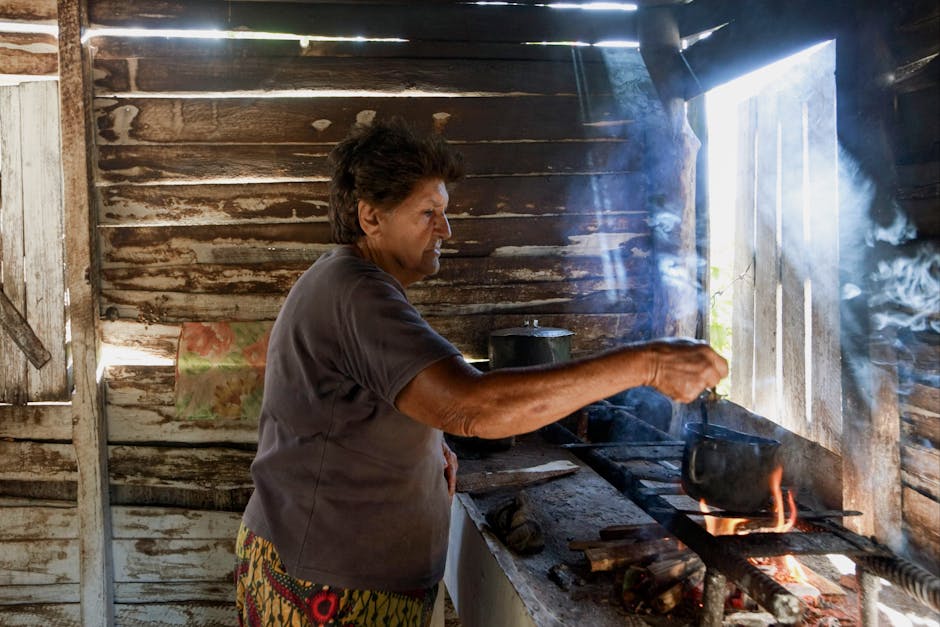
The 'tradwife' aesthetic — women presenting an idealised version of traditional homemaking, often with elaborate baking, beautiful clothes, and large families — has dominated parts of social media in 2024-2025. The lived reality of the women involved, and the cultural and economic context, is more nuanced than either the aspirational marketing or the dismissive critique suggests.
What the visible 'tradwife' content actually is
Most popular tradwife accounts are commercial enterprises. Income comes from social media earnings (Instagram, TikTok, YouTube) rather than from being supported by traditional male breadwinners. The 'wife who stays home' is typically running a substantial business in content creation, brand partnerships, and digital products.
Production values are professional. Multi-camera setups, hired editors, ghostwritten content, hired help for childcare and household tasks not shown on camera.
Why the appeal lands
Modern women's lives are exhausting (childcare + career + household management + emotional labour). The fantasy of a simpler 'single role' has real psychological appeal.
Aesthetic competence reads as control. Pretty kitchen, neat children, planned meals — visual order that feels reassuring.
Anti-modern critique. Some viewers experience the content as a critique of the gender expectations that produced their own exhaustion.
Where it diverges from reality
Most actual traditional households (single income, woman at home) don't look like the curated aesthetic. They face financial constraint, isolation, and increased domestic burden without the photographic payoff.
Religious and politically-driven 'submission' framings within parts of the movement are concerning when consumed without critical analysis. Some content creators advocate views (no female autonomy, no contraception, female obedience) that go beyond aesthetic preference.
The economic infrastructure required to make tradwife life look this aesthetic — high household income for one earner, capacity for one parent to opt out — is not accessible to most women.
The broader cultural pattern
The tradwife movement is one of several reactions to the exhaustion of modern women's lives. Other reactions: the 4B movement (Korean rejection of marriage and motherhood), 'soft girl' culture (slowness and prioritising rest), 'choose your hard' framings around staying home vs working. None of these resolve the underlying issue — the system that produces exhaustion — but they reveal that current arrangements aren't working for many women.
The tradwife trend is more performance and business than lifestyle choice for most visible practitioners. The underlying exhaustion driving its appeal is the real story.